Pannalal Patel is the most adapted Gujarati author, with Manvini Bhavai, Malela Jeev and the short story Kanku all filmed, and both Manvini Bhavai in 1993 and Kanku in 1969 won Best Feature Film in Gujarati at the National Film Awards. The most commercially successful Gujarati source is a stage play, not a novel: Kanji Virudh Kanji became the 2012 Hindi film OMG Oh My God!, reported at Rs 149.90 crore against a Rs 19.99 crore budget. Saumya Joshi's own Gujarati play 102 Not Out became the 2018 Hindi film of the same name with Amitabh Bachchan and Rishi Kapoor, reported at Rs 115.3 crore.
There is a road running between the Gujarati bookshelf and the Gujarati screen, and traffic on it goes in both directions. A novelist in Ahmedabad writes a famine story, and forty six years later an actor mortgages his career to film it. A playwright in a two hundred seat auditorium in Ahmedabad writes a comedy about an old man suing God, and a decade later Akshay Kumar is saying those lines in Hindi to an audience of millions. That road is the most underrated economic asset the language has, and almost nobody maps it.
This page maps it. Nineteen source works, each one traced to a specific film, with the kind of source stated plainly: novel, short story, or stage play. That distinction matters more here than anywhere else, because Gujarati cinema also runs a busy remake lane, buying finished Marathi films and reshooting them in Gujarati. Umbarro is a remake of the Marathi film Jhimma. Maharani is a remake of Nach Ga Ghuma. Those are trades between two film industries, not journeys from a page to a screen, and they are kept off this list on purpose and named in the methodology instead. Every adaptation below is confirmed against both the film's record and the source work's record. Where the record is thin, this page says so rather than filling the gap.
The list at a glance
| Source work | Kind | Author | Film | Year |
|---|---|---|---|---|
| Manvini Bhavai | Novel, 1947 | Pannalal Patel | Manvini Bhavai, Gujarati | 1993 |
| Malela Jeev | Novel, 1941 | Pannalal Patel | Malela Jeev, Gujarati | 1956 |
| Liludi Dharati | Novel, 1957 | Chunilal Madia | Liludi Dharati, Gujarati | 1968 |
| Kanku | Short story | Pannalal Patel | Kanku, Gujarati | 1969 |
| Saraswatichandra | Novel in four parts, 1887 to 1902 | Govardhanram Madhavram Tripathi | Saraswatichandra, Hindi | 1968 |
| Prithivivallabh | Novel, 1921 | K. M. Munshi | Prithvi Vallabh, silent | 1924 |
| Tatvamasi | Novel, 1998 | Dhruv Bhatt | Reva: A Journey Within, Gujarati | 2018 |
| 21mu Tiffin, from the collection Mahotu | Short story, 2016 | Raam Mori | 21mu Tiffin, Gujarati | 2021 |
| Amar Balidan | Novel | Vimalkumar Dhami | Kasoombo, Gujarati | 2024 |
| Bhavni Bhavai | Play | Dhiruben Patel | Bhavni Bhavai, Gujarati | 1980 |
| 102 Not Out | Play | Saumya Joshi | 102 Not Out, Hindi | 2018 |
| Kanji Virudh Kanji | Play | Staged in Gujarati, filmed by Umesh Shukla | OMG Oh My God!, Hindi | 2012 |
| Andhalo Pato | Play | Vipul Amrutlal Shah | Aankhen, Hindi | 2002 |
| A Gujarati play by Aatish Kapadia | Play | Aatish Kapadia | Waqt: The Race Against Time, Hindi | 2005 |
| Beta, Kaagdo | Play | Anand Gandhi | Helicopter Eela, Hindi | 2018 |
| Baa Ae Maari Boundary | Play | Imtiaz Patel | Super Nani, Hindi | 2014 |
| Be Kharab Jan | Play | K. M. Munshi | Do Diwane, also released as Be Kharab Jan | 1936 |
| The Gujjubhai stage play franchise | Plays | Siddharth Randeria franchise | Gujjubhai the Great, Gujarati | 2015 |
| Natsamrat | Play, staged in Gujarati in 2007 | V. V. Shirwadkar | Natsamrat, Gujarati | 2018 |
How this list was built
Every adaptation on this page was verified twice: once against the English Wikipedia article for the film, checking the based on field and the production section, and once against the article for the source novel, story collection or playwright. A film only qualified if a named book or a named play sits behind it. That rule removed the whole remake lane. Umbarro is a remake of the 2021 Marathi film Jhimma, Maharani is a remake of the 2024 Marathi film Nach Ga Ghuma, Ventilator is an adaptation of the 2016 Marathi film Ventilator, Sharato Lagu is a remake of the Marathi film Chi Va Chi Sau Ka, and Dear Father comes from the Marathi film Aapla Manus. Those are film to film trades and none of them belongs on a list about books. Natsamrat is the one deliberate exception, because its origin really is a play, V. V. Shirwadkar's Marathi drama, which Siddharth Randeria staged in Gujarati in 2007 as Amari Duniya, Tamari Duniya before the 2018 Gujarati film was made; the entry states the double hop rather than hiding it. Mirch Masala was researched and dropped: the 1987 film credits Chunilal Madia as a writer alongside Ketan Mehta, and Madia died in 1968, which strongly suggests an adaptation, but no source consulted here names the specific story, and a suspected adaptation is worse than a missing one. Jesal Toral, Mena Gurjari and Kadu Makrani were dropped because their material is folk legend and Bhavai repertoire rather than an identified book. Bau Na Vichar was checked and is an original screenplay. Where the film's own article is vague, this page stays vague with it: English Wikipedia says Waqt is based on a Gujarati play by Aatish Kapadia without naming the play, and Gujjubhai the Great is credited to the Gujjubhai stage play franchise rather than to one title, so neither is named here. Photographs follow the same discipline. Vimalkumar Dhami, Aatish Kapadia, Imtiaz Patel and Kantilal Rathod have no free licensed photograph anywhere on Wikimedia Commons, so their entries carry a verified Commons photograph of the film's director, lead actor or, in Kanku's case, the author himself in a 1959 group portrait of Gujarati writers, with the alt text naming both the person and the work.
Novels and short stories that became films
Nine source books, four of them by two writers from the same generation of Saurashtra and north Gujarat realism.
1Manvini Bhavai

The novel is set in the Indian famine of 1899 to 1900, which Gujarat remembers as the Chhappaniyo Dukal, the famine of Samvat 1956. It follows the love story of Kalu and Raju against the tragedy of farmers who watch the land stop feeding them. V. Y. Kantak translated it into English in 1995 as Endurance: A Droll Saga. Pannalal Patel, who lived from 1912 to 1989 and won the Jnanpith Award in 1985, wrote more than twenty novels and more than twenty short story collections, and this is the one his reputation rests on.
The 1993 film is the rarest kind of adaptation: one made by someone with everything to lose. Upendra Trivedi produced it with Aashish Trivedi, directed it, and played Kalu himself opposite Anuradha Patel as Raju, across 151 minutes. It won Best Feature Film in Gujarati at the 41st National Film Awards, where the producers took a Rajat Kamal and a cash prize of Rs 20,000 and the director took the same again, with the citation naming the drought torn lives of villagers seen through the protagonist's eyes. Forty six years passed between the book and the film. Nothing else on this page waited that long and still arrived intact.
Photo: Chirag Umakant Thakkar, CC BY-SA 4.0, via Wikimedia Commons.
2Malela Jeev

Malela Jeev, The United Souls, is the romantic tragedy of Kanji and Jivi, born into different castes and destroyed by the distance between them. Alongside Manvini Bhavai it is the book most often named when Gujarati readers are asked what Pannalal Patel wrote. The 1956 film runs 141 minutes, was directed by Manhar Raskapur, stars Mahesh Desai, and carries an unusual credit: Patel wrote the screenplay himself, so the adaptation and the source share one author.
The book then did something almost no Gujarati novel has done, which is travel out of the language and get filmed again. Janumada Jodi, the 1996 Kannada film directed by T. S. Nagabharana and written by Baraguru Ramachandrappa, is based on the same 1941 novel. That is the quiet argument this page keeps making. Gujarati literature is not a supply line for Gujarati cinema alone. When the material is strong enough, other industries come shopping.
Photo: Halarnkar, Tanaji, Goa University 1999, CC BY-SA 3.0, via Wikimedia Commons.
3Liludi Dharati

Chunilal Madia lived from 1922 to 1968 and wrote novels and short stories set in rural Saurashtra. Liludi Dharati, The Green Earth, first reached readers as weekly instalments in Janmabhumi, was published in two parts in 1957, and had its story extended into a separate novel, Shevalna Shatdal, in 1960. Madia died in 1968, the year the film reached cinemas, which means he saw the book become the industry's technical landmark and did not live long enough to see what the industry did next.
Vallabh Choksi's film was the first Gujarati picture shot in ORWO colour, with Daizy Irani, Mahesh Desai, Kala Shah, Kishore Bhatt and Champshibhai Nagda. It is worth being precise about what that means for the adaptation argument. When Gujarati cinema wanted to prove it could match the technical standard of the industries around it, the material it reached for was not an original screenplay. It was a serialised literary novel about the land. The bookshelf was the safest bet in the room, and everyone involved knew it.
Photo: Apurva Madia, CC BY-SA 4.0, via Wikimedia Commons.
4Kanku

Kanku is the proof that a short story is enough. Patel's story of a widow of that name, and of what a village decides she is allowed to want, was adapted by Kantilal Rathod, who produced and directed the 1969 film with Kishore Bhatt, Kishore Jariwala and Pallavi Mehta. Patel carries the writing credit on the film as well as the source credit, the same arrangement he had on Malela Jeev thirteen years earlier.
It won Best Feature Film in Gujarati at the 17th National Film Awards, which makes Pannalal Patel the only writer on this page with two National Award winning adaptations, twenty four years apart. Read the three Patel entries together and a pattern falls out that no Gujarati producer has ever fully acted on. Every time the industry has gone to this one shelf, it has come back with a trophy. It has still gone there roughly once a generation.
Photo: Sri Jaybhikhkhu Sahitya Trust, CC BY-SA 4.0, via Wikimedia Commons.
5Saraswatichandra

This is the longest wait on the page and the largest source. Tripathi wrote Saraswatichandra over fifteen years, publishing part one in April 1887 and completing part four in December 1901, published in 1902. It runs to around two thousand pages across four parts, each with its own cast, its own beginning and its own end, subtitled The Administration of Buddhidhan, The Family maze of Gunasundari, The Political Administration of Ratnanagari and The Dreamland of Saraswati. Suresh Joshi, the great formalist critic of the language, attacked it for structural failure. It has still been adapted into plays, radio plays, films and television.
The 1968 Hindi film directed by Govind Saraiya, written by Vrajendra Gaur and starring Nutan and Manish took two National Film Awards, for Best Cinematography and Best Music Director. Eighty one years separate the first volume from that film. The bigger point for anyone auditing this pipeline is the direction of travel: a Gujarati novel about nineteenth century feudalism became a Hindi film that the national jury honoured, which is Gujarati intellectual property earning outside Gujarat six decades before anyone in Ahmedabad started using that phrase.
Photo: Photograph taken before 1907, public domain, via Wikimedia Commons.
6Prithivivallabh

Kanaiyalal Maneklal Munshi, who lived from 1887 to 1971, was a lawyer, an independence movement activist, a member of the Constituent Assembly, a Union agriculture and food minister, a governor of Uttar Pradesh, and the founder of Bharatiya Vidya Bhavan in 1938. He also wrote, in Gujarati, English and Hindi. His 1921 Gujarati novel Prithivivallabh was filmed three years later by Manilal Joshi as Prithvi Vallabh, with Munshi and D. S. Shirur credited as writers, and a cast including P. Y. Altekar, Fatma Begum, Zubeida, Sultana and Bhalji Pendharkar.
Three years from publication to release is the fastest turnaround on this page by a distance, and it happened in the silent era, when the film business in Bombay was barely a decade old. The book came back in 1943 as Sohrab Modi's Prithvi Vallabh under the Minerva Movietone banner, with Modi, Durga Khote and K. N. Singh. Two films from one Gujarati novel, nineteen years apart, both made outside Gujarat. The pipeline was working long before anyone thought to call it one.
Photo: Photo Division, Government of India, public domain, via Wikimedia Commons.
7Tatvamasi

Dhruv Bhatt's 1998 novel takes its title from the Upanishadic saying Tat Tvam Asi, and its geography from the Narmada. The directors of the 2018 film, Rahul Bhole and Vinit Kanojia, have said openly that the number of characters and the philosophy of the novel were the hard parts, and that the author gave them permission to change what they needed to change. That is a healthier adaptation contract than most, and it shows in the result.
Reva was shot at fifteen locations across Gujarat and Madhya Pradesh, most of them on the banks of the Narmada, including Bhedaghat, Gaurighat, Maheshwar Ghat and Mangrol, with additional work in the Polo Forest and inside the Naida Caves on Diu. It stars Chetan Dhanani and Monal Gajjar, was released on 6 April 2018, reported a gross of about Rs 3 crore, and won the National Film Award for Best Feature Film in Gujarati. Twenty years from a philosophical novel about a river to a Rajat Kamal is a short trip by the standards of this page.
Photo: Adhyaru19, CC BY-SA 4.0, via Wikimedia Commons.
821mu Tiffin, from the collection Mahotu

Raam Mori, born on 2 February 1993, writes about rural Saurashtra with women at the centre of it. Mahotu was his debut short story collection, published in 2016, and it won him the Sahitya Akademi's Yuva Puraskar in 2017. He followed it with Coffee Stories in 2018, a collection of micro fiction, and Confession Box in 2020, a collection of letter stories. The story 21mu Tiffin sits inside Mahotu, and it is about a woman running a tiffin service.
Vijaygiri Bava filmed it, released it on 10 December 2021, and shared the screenplay credit with Mori, who also holds the story credit. Niilam Paanchal, Raunaq Kamdar and Netri Trivedi lead the cast. Five years from an award winning collection to a released feature is the fastest literary turnaround in modern Gujarati cinema, and it is not an accident: Mori works inside the industry as a screenwriter, so his own shelf is the shortest walk any Gujarati producer can take.
Photo: Parth Tarpara, CC BY-SA 4.0, via Wikimedia Commons.
9Amar Balidan

Kasoombo is set during Alauddin Khilji's invasion of Gujarat, and follows Dadu Barot, a local chief of Adipur village at the foot of Shatrunjaya hill, who leads a small band of warriors to stop the Palitana Jain temples being sacked. The film is adapted from Vimalkumar Dhami's novel Amar Balidan, and the screenplay is credited to Raam Mori and Vijaygiri Bava, which puts the same writer director pair from 21mu Tiffin on a historical epic three years later.
It was made at a reported cost of about Rs 15 crore, runs 156 minutes, used a set spread across sixteen acres, and carries a score by Mehul Surti. The cast is Raunaq Kamdar, Dharmendra Gohil, Darshan Pandya as Khilji, Chetan Dhanani, Shraddha Dangar, Monal Gajjar and Firoz Irani. It opened in Gujarati on 16 February 2024 and in a Hindi version across India on 3 May 2024. A regional historical drama getting a national language release is what the adaptation pipeline looks like when it is funded properly.
Photo: Imfarhad7, CC BY-SA 4.0, via Wikimedia Commons.
Gujarati plays that became Hindi films
The commercial engine. Seven Gujarati stage properties that Bombay bought, three of them from writers who had never left Ahmedabad.
10Kanji Virudh Kanji

A shopkeeper's shop is destroyed in an earthquake, the insurer calls it an act of God, and the shopkeeper sues God. That premise came to Hindi cinema through the Gujarati stage play Kanji Virudh Kanji, which was itself inspired by the 2001 Australian film The Man Who Sued God. This page states both halves of that chain, because a Gujarati play borrowing a foreign premise and turning it into something that outperformed the original is a compliment to the stage, not a stain on it.
Umesh Shukla directed the 2012 film and shares the writing credit with Saumya Joshi and Bhavesh Mandalia, both of them Gujarati theatre writers. Akshay Kumar, Paresh Rawal and Mithun Chakraborty led it, on a reported budget of Rs 19.99 crore, for a reported gross of Rs 149.90 crore. It was then remade in Telugu as Gopala Gopala in 2015 and in Kannada as Mukunda Murari in 2016, and got a spiritual successor, OMG 2, in 2023. No Gujarati novel has ever generated that much downstream activity. A play did it in eleven years.
Photo: KSwaroop20, CC BY-SA 4.0, via Wikimedia Commons.
11102 Not Out

Saumya Joshi, born on 3 July 1973 in Ahmedabad, is known in Gujarati theatre for two plays, Welcome Zindagi and 102 Not Out. He also published the poetry collection Greenroomma in 2008, won the Yuva Gaurav Puraskar in 2007 and the Takhtasinh Parmar Prize in 2008 to 2009, and took the Chandravadan Chimanlal Mehta Award for his contribution to Gujarati theatre in 2013. He is the only writer on this page who wrote the play and then wrote the film himself.
The 2018 Hindi film runs 102 minutes, which is the sort of joke a playwright makes. Umesh Shukla directed, Joshi holds the sole writing credit, and Amitabh Bachchan and Rishi Kapoor played a father and son for the first time in their careers, with Jimit Trivedi in support. Reported gross is Rs 115.3 crore against a reported Rs 35 crore budget, including Rs 22.67 crore in its opening weekend in China. A two hander from the Gujarati stage, unchanged in structure, sold tickets in Shanghai.
Photo: Chinu Modi, CC BY-SA 4.0, via Wikimedia Commons.
12Andhalo Pato

Vipul Amrutlal Shah started in Gujarati theatre, directed a run of Gujarati dramas, and made his film debut with the Gujarati picture Dariya Chhoru in the late 1990s with J. D. Majethia in the lead. Aankhen is described by English Wikipedia as an adaptation of Shah's own Gujarati stage play Andhalo Pato. The film's own credits complicate that slightly: the story is credited to Aatish Kapadia, Vipul Amrutlal Shah and Shobhana Desai, and the screenplay to Kapadia and Shah. This page reports both rather than picking one.
The premise is a sacked bank employee training three blind men to rob the bank, because nobody suspects a blind man. Amitabh Bachchan, Akshay Kumar, Arjun Rampal, Sushmita Sen, Paresh Rawal and Aditya Pancholi carried it. It had its worldwide premiere in Malaysia at the 3rd IIFA ceremony on 5 April 2002 and finished the year as the fifth highest grossing Hindi film, with a reported Rs 33.8 crore against a reported Rs 17 crore budget. A heist structure, in other words, that had already been tested in front of live Gujarati audiences before a single frame was shot.
Photo: Bollywood Hungama, CC BY 3.0, via Wikimedia Commons.
13A Gujarati play by Aatish Kapadia
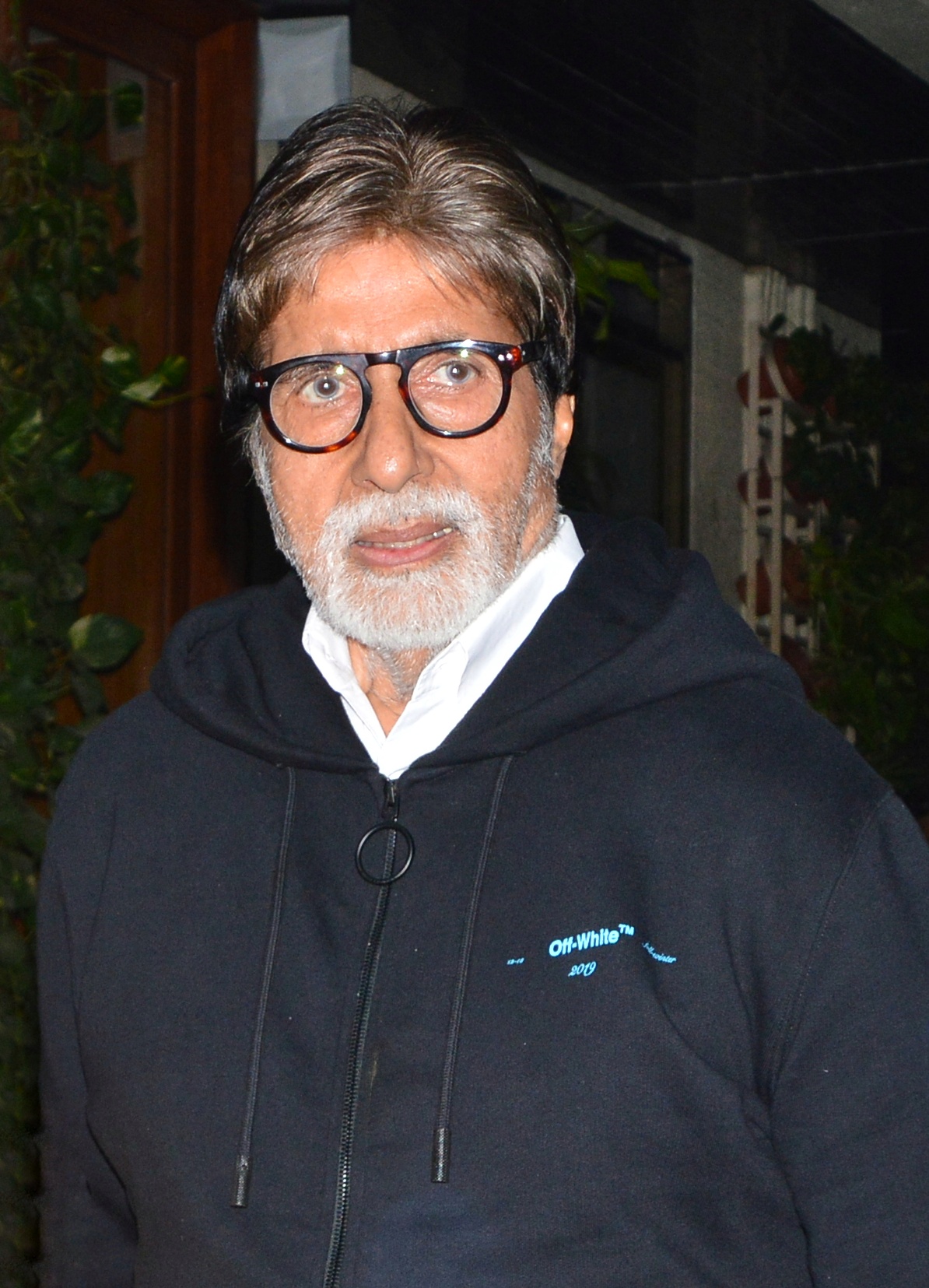
Vipul Amrutlal Shah wanted to make a film about a father and son relationship that did not run on the standard Bombay template. He watched Aatish Kapadia's Gujarati play, was impressed, and bought the rights for a film adaptation. English Wikipedia records the transaction but does not name the play, so neither does this page. Kapadia, who also holds a story and screenplay credit on Aankhen, is the connective tissue between two of the biggest Gujarati stage to Hindi screen deals of the decade.
Waqt follows an ageing businessman who suddenly turns hard on his spoiled son to teach him something before it is too late. The ensemble is Amitabh Bachchan, Akshay Kumar, Priyanka Chopra, Shefali Shah, Rajpal Yadav and Boman Irani. It was shot on fourteen sets at Filmistan Studio in Mumbai with one song filmed in Leh, scored by Anu Malik with lyrics by Sameer and one song written by Kapadia himself, and released on 22 April 2005. Reported gross is over Rs 424.8 million on a Rs 110 million budget, ranking it the seventh highest grossing Hindi film of the year.
Photo: Shrinivaskulkarni1388, derivative work by Junior Jumper, CC BY-SA 4.0, via Wikimedia Commons.
14Beta, Kaagdo
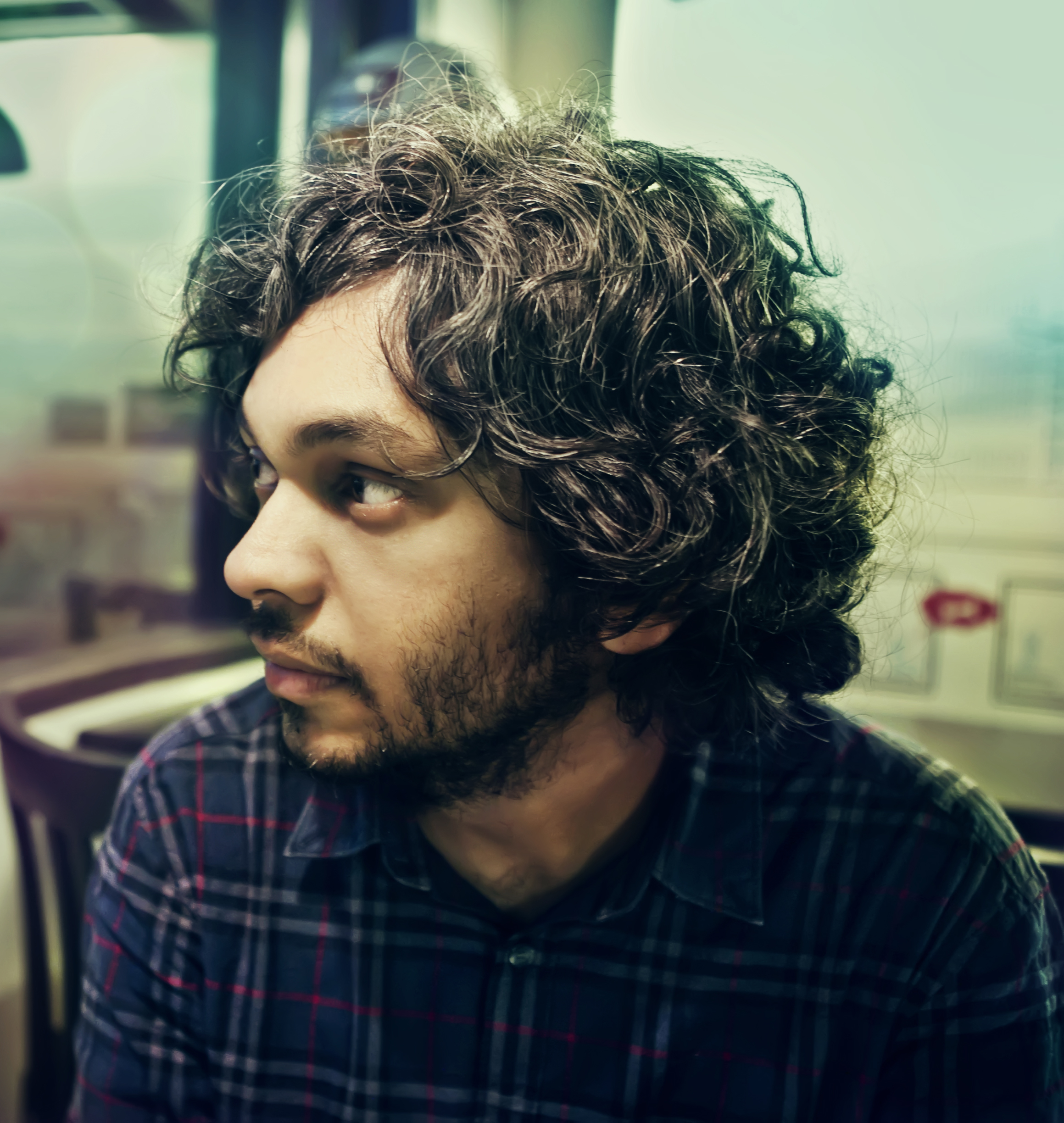
Anand Gandhi is best known internationally as the director of Ship of Theseus, which is exactly why this credit gets overlooked. Before that, he wrote a Gujarati play called Beta, Kaagdo, and that play is the stated source of Helicopter Eela. Gandhi shares the screenplay credit with Mitesh Shah, who also wrote the dialogue, so the adaptation kept its original author in the room.
Pradeep Sarkar directed, Kajol plays an aspiring singer and single mother who enrols in her own son's college, and Riddhi Sen plays the son. Ajay Devgn produced with Jayantilal Gada and Aksshay Jayantilal Gada. It was released on 12 October 2018 and reported a gross of Rs 8.24 crore, the smallest number on this page by a wide margin. That is worth keeping, because a list of adaptations that only shows the hits is a sales deck rather than a record. Gujarati stage material does not automatically convert. It converts when someone gets the translation right.
Photo: Recyclewala, CC BY-SA 3.0, via Wikimedia Commons.
15Baa Ae Maari Boundary

Imtiaz Patel is the least famous writer on this page and one of the most commercially productive. Baa Ae Maari Boundary became Super Nani in 2014, and another of his Gujarati plays, Patrani, became the Sony Entertainment Television serial Bade Achhe Lagte Hain, which ran from May 2011 to July 2014. Two properties, one film and one long running national soap, from a writer whose name almost never appears in a Gujarati cinema conversation.
Indra Kumar directed Super Nani, with a screenplay by Vipul Mehta, who would go on to direct Chaal Jeevi Laiye!. Rekha leads, with Sharman Joshi, Randhir Kapoor, Anupam Kher and Shweta Kumar. It was released on 31 October 2014 and marked Randhir Kapoor's final screen appearance. The shape of the story, a grandmother written off by her own household who is rebuilt into a public figure, is a Gujarati domestic drama structure that the stage in Ahmedabad has been running for decades.
Photo: Bollywood Hungama, CC BY 3.0, via Wikimedia Commons.
16Be Kharab Jan

Munshi appears twice on this page, once for a novel and once for a play, and the play came to the screen in the first decade of Indian sound cinema. Do Diwane, released in some markets under the play's own name Be Kharab Jan, is a comedy about the traditional values of the older generation colliding with the western values the young had started adopting. That is a 1936 film describing an argument Gujarati households were still having in 2018 on the same stages.
Chimanlal Luhar directed for Sagar Movietone, with music by Pransukh Nayak and cinematography by Keki Mistry. The cast included Shobhana Samarth, Motilal, Yakub, Aruna Devi, Rama Devi, Kamalabai, Kayam Ali, Pande and Pesi Patel. What matters about this entry is the date. The traffic from the Gujarati stage into Hindi cinema did not start with OMG in 2012 or with Aankhen in 2002. It started before independence, with a lawyer politician's comedy.
Photo: India Post, Government of India, GODL-India, via Wikimedia Commons.
Plays that became Gujarati films
Three cases where the stage fed the home industry instead of Bombay, including the one deliberate exception on this page.
17Bhavni Bhavai

Dhiruben Patel, who lived from 25 May 1926 to 10 March 2023, was a novelist, playwright and translator, and her play sits behind the film that gave Gujarati cinema its conscience. The screenplay is credited to Hriday Lani and Ketan Mehta. The structure is a story told twice: a group of Harijans migrating to a city stop for the night, an elder begins narrating the folk tale of King Chakrasen, and near the end another migrant interrupts him, tells him to stop selling children false happy endings, and narrates the other ending, the one where nobody is saved.
It was made for a reported Rs 3.5 lakh, runs 135 minutes, and stars Naseeruddin Shah, Om Puri, Smita Patil, Mohan Gokhale and Benjamin Gilani. It was Ketan Mehta's debut. He won the Nargis Dutt Award for Best Feature Film on National Integration and Meera Lakhia won Best Production Design at the 28th National Film Awards, and the film was selected for a festival at the Museum of Modern Art and took a UNESCO Club Human Rights award at the Three Continents Festival. A play about untouchability, told through the grammar of Bhavai folk theatre, on a budget smaller than most modern marketing plans.
Photo: Sanjay Vaidya, CC BY-SA 4.0, via Wikimedia Commons.
18The Gujjubhai stage play franchise

Siddharth Randeria has been working in Gujarati theatre since 1970 and has a documented record of over 12,000 live performances, most of it built on the Gujjubhai character across a franchise of plays. Gujjubhai the Great is credited to that franchise rather than to one title, and this page does not invent a title it cannot find. Ishaan Randeria wrote and directed, which keeps the adaptation inside the family that owns the character.
The film was released on 18 September 2015 with Siddharth Randeria, Jimit Trivedi, Swati Shah, Dipna Patel, Alekh Sangal, Sunil Vishrani, Khatera Hakimi and Dharmesh Vyas, and reported a gross of Rs 15 crore. Think about what that number represents in 2015, three years after Kevi Rite Jaish restarted the industry. The safest commercial asset available to a Gujarati producer in that moment was not a new script. It was a character that had already been tested in front of paying theatre audiences for years.
Photo: Nizil Shah, CC BY-SA 4.0, via Wikimedia Commons.
19Natsamrat

This is the one entry on this page that arrived by two hops, and it is included because the origin is genuinely a play. V. V. Shirwadkar, who wrote as Kusumagraj, gave Marathi theatre Natsamrat, the story of an actor who reaches the top of his profession and then has to leave it. Siddharth Randeria adapted the screenplay into a Gujarati stage play in 2007 as Amari Duniya, Tamari Duniya, with Jimmit Trivedi and Disha Savla Upadhyay alongside him. Eleven years later the same actor did it on film.
The 2018 Gujarati Natsamrat is also, in the record, a remake of the Marathi film of the same name that starred Nana Patekar, so the honest description is a play that reached Gujarati cinema through two intermediaries. Jayant Gilatar directed, Pravin Solanki wrote the screenplay, and the cast is Siddharth Randeria, Deepika Chikhalia, Manoj Joshi and Samvedna Suwalka. It was released on 30 August 2018 with a reported gross of around Rs 2 crore. Compare that with the Rs 15 crore Gujjubhai took three years earlier and you have a blunt piece of market data: Gujarati audiences pay far more for the stage comedy they already know than for the stage tragedy they do not.
Photo: Bollywood Hungama, CC BY 3.0, via Wikimedia Commons.
What the numbers say
Years the source waited before somebody filmed it
Gaps measured from the first published edition of the source book to the release year of the film, both taken from English Wikipedia. Saraswatichandra is measured from part one in 1887; its fourth part appeared in 1902. Plays are left out of this chart because staging dates are not consistently recorded.
Questions people actually ask
Which Gujarati author has had the most books turned into films?
Pannalal Patel, with three: the novels Manvini Bhavai and Malela Jeev and the short story Kanku. Two of those adaptations won Best Feature Film in Gujarati at the National Film Awards, Kanku at the 17th ceremony for the 1969 film and Manvini Bhavai at the 41st for the 1993 film. Malela Jeev was also filmed in Kannada in 1996 as Janumada Jodi.
Is Umbarro based on a book?
No. Umbarro is a remake of the 2021 Marathi film Jhimma, so it is a film to film trade rather than a literary adaptation, and it is not counted on this page. The same applies to Maharani, which remakes the 2024 Marathi film Nach Ga Ghuma, and to Ventilator, Sharato Lagu and Dear Father, all of which come from Marathi films.
Which Gujarati play made the most money as a film?
Kanji Virudh Kanji, which Umesh Shukla filmed as OMG Oh My God! in 2012, with a reported gross of Rs 149.90 crore against a reported budget of Rs 19.99 crore. Saumya Joshi's play 102 Not Out is second, filmed in 2018 with a reported gross of Rs 115.3 crore. Both figures are industry reported and not audited.
Was Kasoombo based on a book?
Yes. Kasoombo, directed by Vijaygiri Bava and released in Gujarati on 16 February 2024, is adapted from Vimalkumar Dhami's novel Amar Balidan, with the screenplay credited to Raam Mori and Vijaygiri Bava. It was made at a reported cost of about Rs 15 crore and given a Hindi release across India on 3 May 2024.
What was the first Gujarati book made into a film?
The earliest adaptation traced here is K. M. Munshi's 1921 Gujarati novel Prithivivallabh, filmed as the silent picture Prithvi Vallabh by Manilal Joshi in 1924, only three years after publication. Munshi's play Be Kharab Jan followed in 1936 as Do Diwane, made by Sagar Movietone.
Sources and image credits
All photographs are free-licensed files from Wikimedia Commons, reused with the attribution each licence requires. No press agency or studio photographs are hosted on this site. Instagram content is linked or embedded from the official account, never re-hosted.
- English Wikipedia articles for the films Manvini Bhavai, Malela Jeev, Liludi Dharati, Kanku, Saraswatichandra, Prithvi Vallabh 1924 and 1943, Reva, 21mu Tiffin, Kasoombo, Bhavni Bhavai, 102 Not Out, OMG Oh My God!, Aankhen, Waqt: The Race Against Time, Helicopter Eela, Super Nani, Do Diwane, Gujjubhai the Great and Natsamrat, retrieved July 2026
- English Wikipedia articles for the source works Manvini Bhavai, Malela Jeev, Liludi Dharati, Saraswatichandra and Tattvamasi, plus biographies of Pannalal Patel, Chunilal Madia, Govardhanram Madhavram Tripathi, K. M. Munshi, Dhruv Bhatt, Raam Mori, Dhiruben Patel and Saumya Joshi
- English Wikipedia, 41st National Film Awards catalogue reference, used to verify the Manvini Bhavai citation and the Rajat Kamal cash prizes
- English Wikipedia film infobox based on fields, used as the primary adaptation test for every entry
- Wikimedia Commons file namespace search and imageinfo licence metadata for every photograph used, checked July 2026